The PBH Pattern
The PBH Pattern
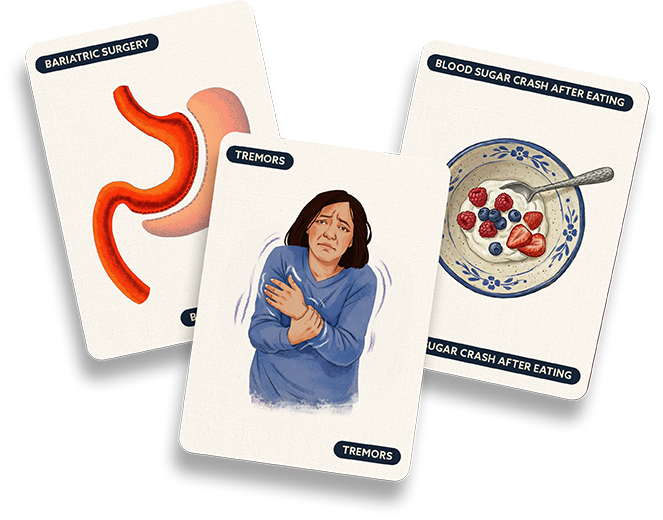
Living with PBH can feel different for everyone, but there are common patterns that many people experience. Click on the clue cards below to explore these experiences and see if any sound familiar.
CLUE 01

Symptoms of low blood sugar
01
Symptoms of low blood sugar
When blood sugar drops, it can feel different for each person, and even different from one episode to the next. Some symptoms are physical, like shakiness or sweating, while others can change how people think and feel, such as brain fog or anxiety.
01
CLUE 02

A delay after surgery
02
A delay after surgery
PBH doesn't usually show up right away. For many people, symptoms begin months or even years after bariatric surgery, which may make it difficult to initially understand what’s going on.
02
CLUE 03

Timing after eating
03
Timing after eating
People with PBH often notice symptoms 1 to 3 hours after eating rather than right away.
03
CLUE 04

Spike and crash cycle
04
Spike and crash cycle
People with PBH often describe their low blood sugar episodes in different ways, such as a "drop," a "low," or a sudden "crash." What many people share is a roller-coaster pattern, where blood sugar rises quickly after a meal and then drops rapidly, sometimes more than once a day.
04
CLUE 05

Triggers
05
Triggers
Triggers can vary from person to person. For many people with PBH, food or drinks high in sugar or carbohydrates are a common trigger. Every person has different triggers and other things like alcohol, caffeine, stress, and exercise can also play a role.
05
Resource:Episode Tracker
This tracker is designed to help you record your episodes and share them with your healthcare team. Recording entries consistently over time may help reveal patterns that are hard to spot from a single episode.
Download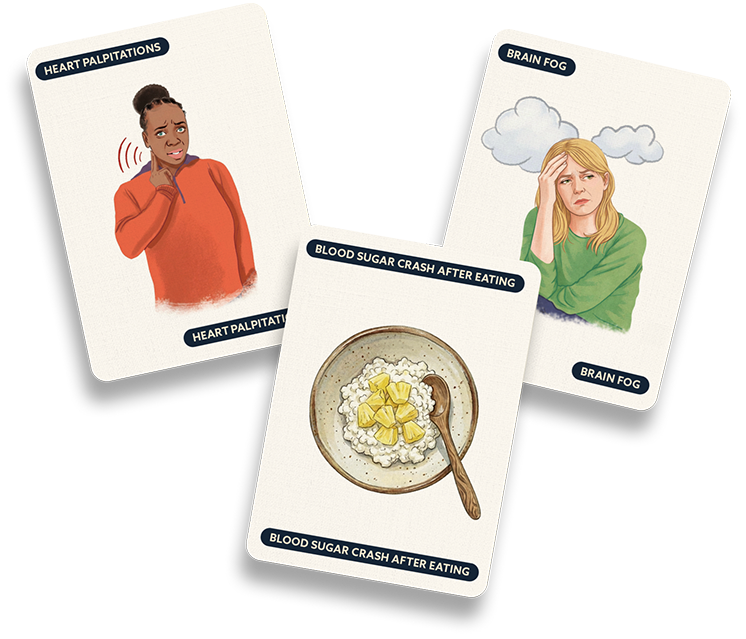
“I couldn’t speak, couldn’t stand, and couldn’t communicate what I needed. I was fully aware but trapped inside a body that wouldn’t respond.”
— Person with PBH
Blood Sugar
A Quick Note on Blood Sugar
When you eat foods containing carbohydrates, like bread, pasta, fruit, and vegetables, your body breaks them down into sugar, or glucose. This glucose is then released into your bloodstream, where it's used as fuel.
Find out more about how the body manages blood sugar, and how this can look different for people with PBH here:
Symptoms of PBH
What Low Blood Sugar Can Feel Like
When blood sugar drops too low, the body may have trouble working the way it normally does, leading to symptoms of low blood sugar. These symptoms can vary from person to person. Some symptoms are physical, such as a racing or pounding heartbeat, shakiness, or sweating. Others can affect how you think or feel, like feeling confused, irritable, or anxious.
Some symptoms of low blood sugar include:
Sweating

Tremors or shaking

Racing or pounding heartbeat

Anxiety

Numbness or tingling

Confusion or brain fog

Tiredness

Blurry vision

Lightheadedness or fainting

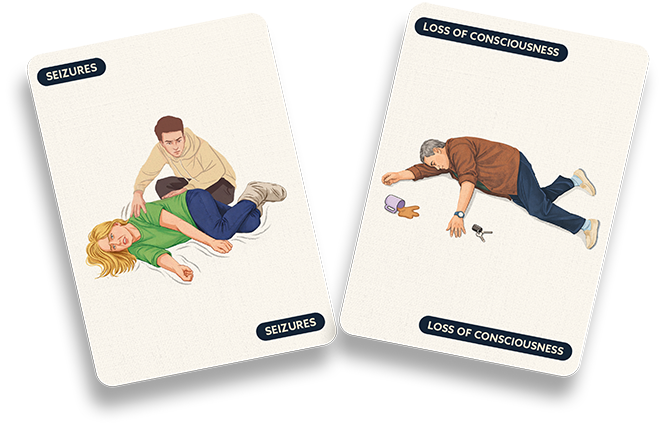
Seizures
Symptoms can be unpredictable, frequent, and meaningfully impact daily life. If any of this feels familiar, it's important to discuss your experiences with your healthcare team.
Symptom Awareness
When Low Blood Sugar Becomes Harder to Spot
Many people with PBH live with symptoms for months or even years before getting answers, and this delay can have real consequences. Over time, repeated episodes of low blood sugar can cause the body's warning signs to fade.
Without those warning signs, some people may carry on with everyday life completely unaware that their blood sugar has fallen dangerously low, putting them at risk of more serious symptoms such as fainting or seizures.
If you've noticed that symptoms seem to be changing, or becoming harder to spot over time, it's important to discuss this with your healthcare team.
You’re Not Alone
You’re Not Alone
If you've been experiencing these symptoms, you're far from alone. PBH affects thousands of people who have had bariatric surgery.
Around
160,000 people in the United States are estimated to be living with PBH
That’s about
1 in 12 people who had one of the two most common types of bariatric surgery (gastric bypass or sleeve gastrectomy) between 2013 and 2023
However, these numbers may just be the tip of the iceberg. Because PBH may be missed or mistaken for other conditions, the true number of people living with PBH is likely higher.
Hear From the PBH Community
Explore stories from the PBH community to see how they describe their symptoms.