Blood Sugar Basics
How Your Body Digests Food and Manages Blood Sugar
To understand PBH, it helps to first look at how the body usually digests food and controls blood sugar levels. After you eat, several parts of the body work together to turn food into energy.
Step 01:
Food reaches the stomach
After chewing and swallowing, food travels to the stomach, where it's broken down into smaller pieces. The stomach holds it there for a while before slowly releasing it into the small intestine.
Step 02:
Nutrients are absorbed
The small intestine is where most digestion takes place. Carbohydrates, found in foods like bread, pasta, fruit, and vegetables, are broken down into glucose, a type of sugar. This glucose passes into the bloodstream, causing blood sugar levels to rise.
Step 03:
The body notices
the change
The body detects the rise in blood sugar and releases chemical messengers called hormones. These travel through the bloodstream, carrying instructions to different organs about what to do next.

Step 04:
Hormones carry
important messages
Several of these hormones work together to manage the rise in blood sugar. One of these, called glucagon-like peptide-1 (GLP-1), signals to the pancreas that blood sugar is going up and it's time to act.
Step 05:
The pancreas
releases insulin
When the pancreas receives this message, it releases another hormone called insulin. Think of insulin like a key, it unlocks the door so glucose can move out of the bloodstream and into your cells, where it's used as energy.

Step 06:
Blood sugar stays in
balance
As glucose moves into the cells, blood sugar levels gradually settle back to where they were before the meal.

After Bariatric Surgery
What Changes After Bariatric Surgery
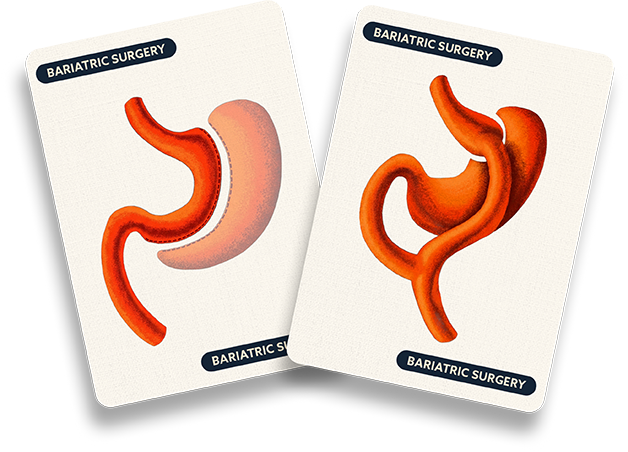
After bariatric surgery, the digestive system works a little differently than it did before. As the body adjusts to these changes, three things happen that are especially important for understanding PBH.
Change 01:
Food moves faster
After bariatric surgery, the stomach is smaller, and depending on the type of surgery, food may follow a shorter path through the digestive system. This means food reaches the small intestine more quickly than it did before.

Change 02:
Blood sugar rises more quickly
Because food reaches the small intestine sooner, glucose from carbohydrates passes into the bloodstream more quickly too. As a result, blood sugar rises faster after a meal than it did before surgery.

Change 03:
The body’s signals get stronger
To keep up with this faster rise in blood sugar, the body turns up the volume on its hormone messages, sending out stronger signals than before surgery to help the body respond to the quicker rise in blood sugar. For most people, the body adjusts to these stronger signals, and blood sugar stays in a healthy range.

What Happens in PBH
Scientists Are Starting to Uncover PBH
Scientists are starting to uncover what’s happening in PBH. While there is still more to learn, they believe it involves several different factors happening together, rather than one single cause.
The hormone messages get too loud
Scientists believe the body overreacts to the quicker rise in blood sugar that happens after surgery. Hormones like GLP-1, which normally help manage blood sugar, can get turned up too high.

Too much insulin is released
These overly strong hormone signals tell the pancreas to release more insulin than the body needs, which can cause blood sugar to drop too low.

The body can't keep up
Normally, the body has natural defenses that help bring blood sugar back up. But in people with PBH, these defenses may not work as well or may come too late, which can contribute to blood sugar falling further than it should.

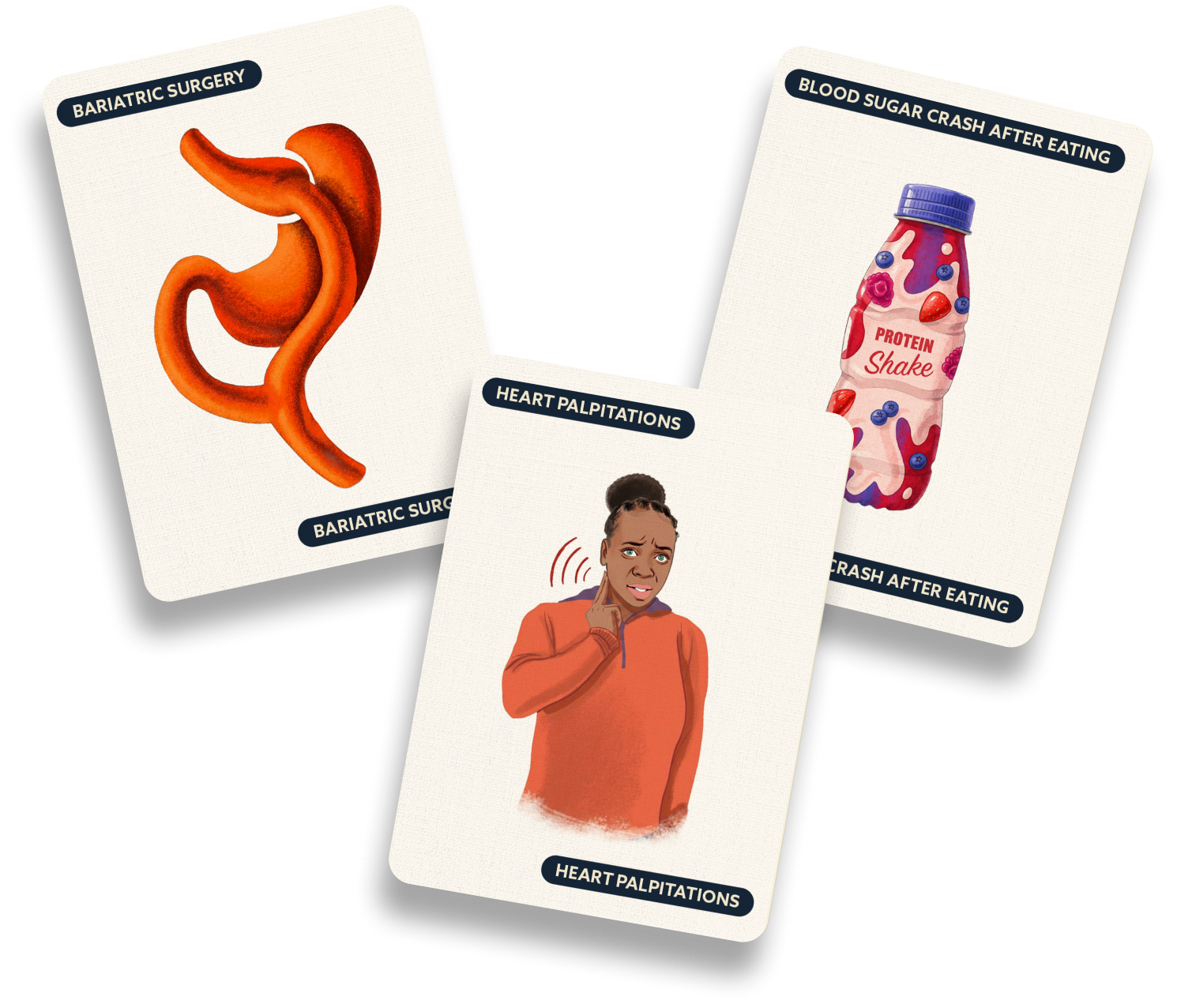

“When I first noticed that something was wrong, I began questioning my doctor but they dismissed my symptoms and wouldn’t listen. At the time, I thought I was just having a longer recovery time and my body had to adjust.”
— Jennifer, person with PBH